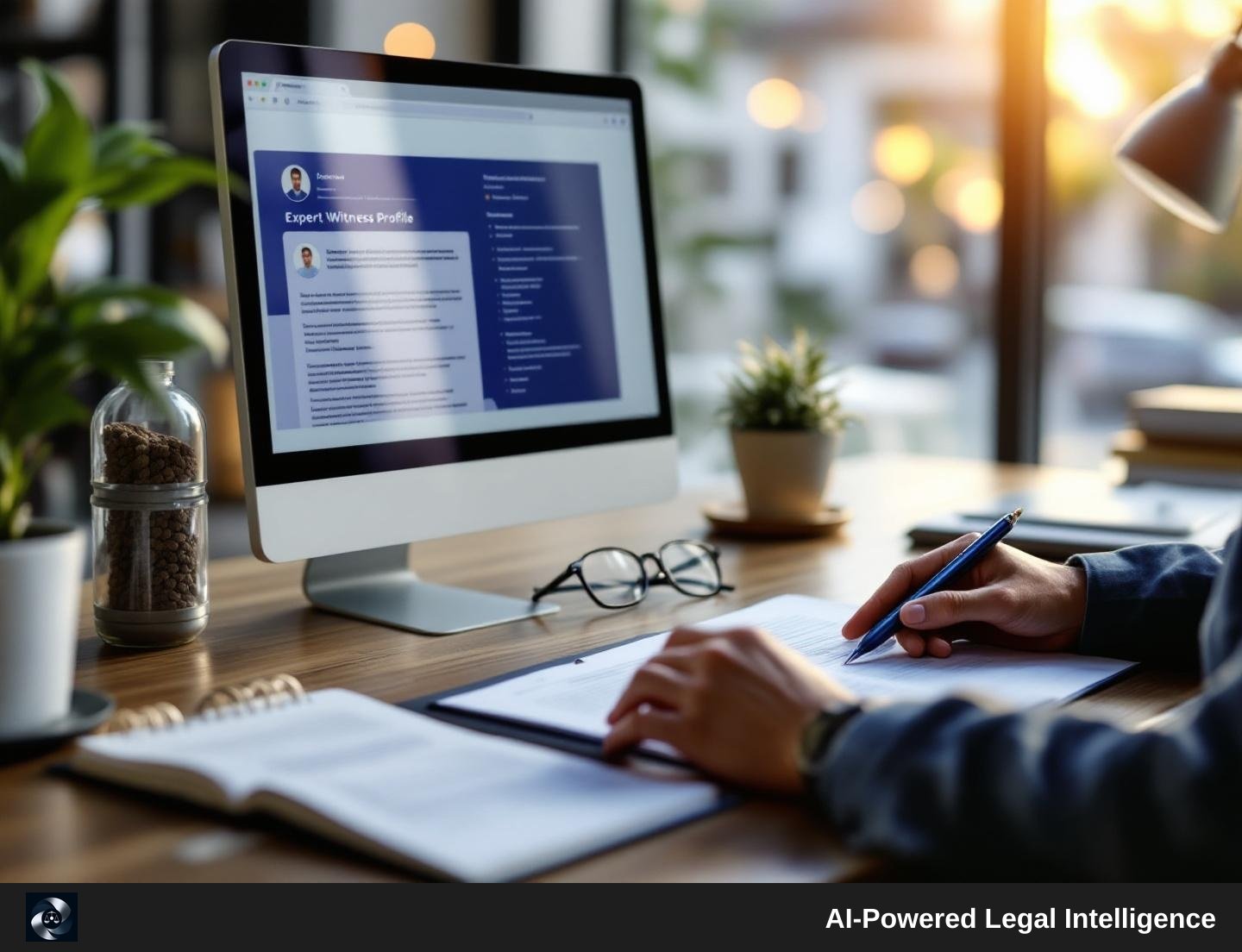
In the realm of personal injury law, the credibility of expert witnesses can significantly influence case outcomes. A strong expert can bolster a case, while a weak one can undermine it, leading to unfavorable judgments or settlements. As personal injury attorneys navigate through the complexities of their cases, employing AI-powered expert witness vetting software can streamline the screening process, ensuring that only the most credible and qualified experts are brought into the fold. In this blog post, we will delve into the importance of expert witness background screening, outline a comprehensive vetting checklist, and provide practical tips to enhance your screening process.
Understanding the Importance of Expert Witness Vetting
When it comes to personal injury cases, the role of an expert witness is pivotal. These professionals provide specialized knowledge that can clarify complex issues for judges and juries, helping to establish liability and damages. However, not all expert witnesses are created equal. An inadequate or unqualified expert can damage a case, leading to wasted resources and lost opportunities. Thus, a thorough expert witness credibility check is essential.
The Risks of Not Vetting Expert Witnesses
Failing to properly vet an expert witness can expose your firm to various risks, including:
- Credibility Issues: An unqualified expert may lack the necessary credentials or experience, leading to questions about their reliability.
- Contradictory Testimony: An expert with a history of providing contradictory opinions can diminish the overall strength of your case.
- Increased Costs: Engaging an ineffective expert can lead to additional expenses related to trial preparation and potential retrials.
- Damage to Reputation: Poor expert selection can reflect badly on your firm and impact your standing within the legal community.
Benefits of Using AI-Powered Expert Witness Vetting Software
AI expert witness screening tools can help mitigate these risks by automating and enhancing the vetting process. Some key benefits include:
- Efficiency: AI can process vast amounts of data quickly, allowing attorneys to vet multiple candidates in a fraction of the time it would take manually.
- Comprehensive Analysis: Advanced algorithms can analyze various data points, including academic credentials, previous testimony records, and publications, providing a holistic view of an expert's background.
- Cost-Effectiveness: Since document processing is a billable case expense, utilizing AI tools can be passed through to clients, turning what could be considered overhead into a profit center.
Key Components of an Effective Expert Witness Vetting Checklist
Implementing an effective vetting checklist is crucial for personal injury attorneys. Below are the key components to consider:
1. Educational Background and Credentials
Start by verifying the educational qualifications of the expert witness. This includes:
- Degrees Obtained: Check for relevant degrees in their field of expertise.
- Professional Certifications: Look for any additional certifications that signify advanced knowledge or specialization.
- Licenses: Confirm that the expert holds all necessary licenses to practice in their respective field.
2. Professional Experience
Assess the expert's professional experience, focusing on:
- Years in Practice: More seasoned experts often possess extensive knowledge and understanding of real-world applications.
- Relevant Case Experience: Review the number of cases the expert has worked on, particularly those similar to your own.
- Previous Testimony: Investigate how often the expert has testified in court and the outcomes of those cases.
3. Publications and Research
An expert's contributions to their field through publications and research can enhance their credibility. Key points to examine include:
- Peer-Reviewed Articles: Look for published works in reputable journals that demonstrate expertise.
- Books and Chapters: Check if the expert has authored or contributed to any significant texts in their domain.
- Speaking Engagements: Evaluate their participation in conferences, lectures, or panels, which can indicate their standing in the professional community.
4. Reputation and References
A strong reputation can significantly bolster an expert's credibility. Consider the following:
- Online Reviews: Research the expert's online presence, including reviews and ratings on professional sites.
- Professional References: Reach out to previous clients or colleagues to gather insights about their experiences with the expert.
- Social Media Presence: Analyze their engagement on platforms like LinkedIn, which can indicate their professional network and influence.
5. Conflict of Interest Assessment
It's vital to ensure that the expert does not have any conflicts of interest that could compromise their testimony. Consider:
- Ongoing Relationships: Confirm that the expert does not have ongoing relationships with opposing parties that may bias their opinions.
- Previous Testimony for Opposing Counsel: Investigate if the expert has previously provided testimony for opposing counsel, which could raise flags about their independence.
6. AI-Powered Screening Tools
Utilizing AI tools can enhance your vetting process significantly. Here’s how you can integrate them:
- Document Analysis: Use expert witness vetting software to analyze documents and identify potential issues in an expert's background.
- Data Aggregation: Leverage AI to aggregate data from multiple sources, providing a comprehensive profile of the expert.
- Possible-Conflict Flagging: Advanced AI algorithms can identify inconsistencies in an expert's previous testimonies or published works, helping you make informed decisions.
Practical Tips for Effective Expert Witness Screening
To maximize the effectiveness of your expert witness vetting process, consider implementing the following strategies:
1. Develop a Standardized Screening Process
Create a standardized procedure for vetting all expert witnesses. This ensures consistency and thoroughness in your evaluation. Your checklist can serve as a foundation, but you can also adapt it based on specific case needs.
2. Utilize Multiple Sources of Information
Don’t rely solely on one source of information. Cross-reference data from various platforms, including academic databases, court records, and professional organizations. This multifaceted approach will help validate findings and uncover any potential red flags.
3. Conduct Initial Interviews
Before making a final decision, conduct preliminary interviews with potential experts. This allows you to assess their communication skills, responsiveness, and ability to articulate complex concepts clearly, which is crucial for effective testimony.
4. Stay Updated on Industry Trends
The legal landscape and expert witness standards are continually evolving. Stay informed about best practices and emerging technologies in expert witness screening. Participating in legal seminars or webinars can be beneficial for keeping your knowledge current.
5. Foster Relationships with Credible Experts
Building a network of reliable experts can streamline your vetting process in the long run. By fostering relationships with professionals who have proven their credibility, you can save time when seeking experts for future cases.
6. Leverage Feedback from Peers
Encourage attorneys within your network to share their experiences with expert witnesses. Peer reviews can provide valuable insights and help you avoid common pitfalls. Consider creating a shared database of recommended experts to facilitate this process.
Case Scenario: Screening an Expert Witness in a Personal Injury Case
To illustrate the importance of thorough vetting, let’s explore a hypothetical scenario.
Background: You are a personal injury attorney representing a client who suffered significant injuries in a car accident. You need an expert witness to testify about the long-term impacts of these injuries on your client's life.
Vetting Process:
- Educational Background: You find a potential expert with a relevant PhD in physical therapy and several certifications.
- Professional Experience: Upon review, they have over 15 years of experience treating similar injuries and have testified in court multiple times.
- Publications: They have published articles in peer-reviewed journals, demonstrating their authority in the field.
- Reputation: Online reviews and testimonials indicate a strong reputation, with several positive references from previous cases.
- Conflict of Interest: A detailed search reveals no conflicts of interest, as the expert has not worked with the opposing party previously.
Outcome: After a comprehensive screening, you decide to engage the expert. Their strong credentials and experience enhance your case, leading to a successful settlement for your client. This scenario underscores the critical role of a robust expert witness vetting process in achieving favorable outcomes in personal injury cases.
Conclusion
Expert witness background screening is an indispensable component of the personal injury legal process. Implementing a thorough, AI-powered vetting checklist not only adds credibility to your case but also positions your firm for success in the courtroom. By prioritizing expert witness credibility checks and utilizing advanced vetting software, you can ensure that your chosen experts will effectively support your case objectives. To experience the benefits of AI in your vetting process, Start your free ProvaLens trial today.