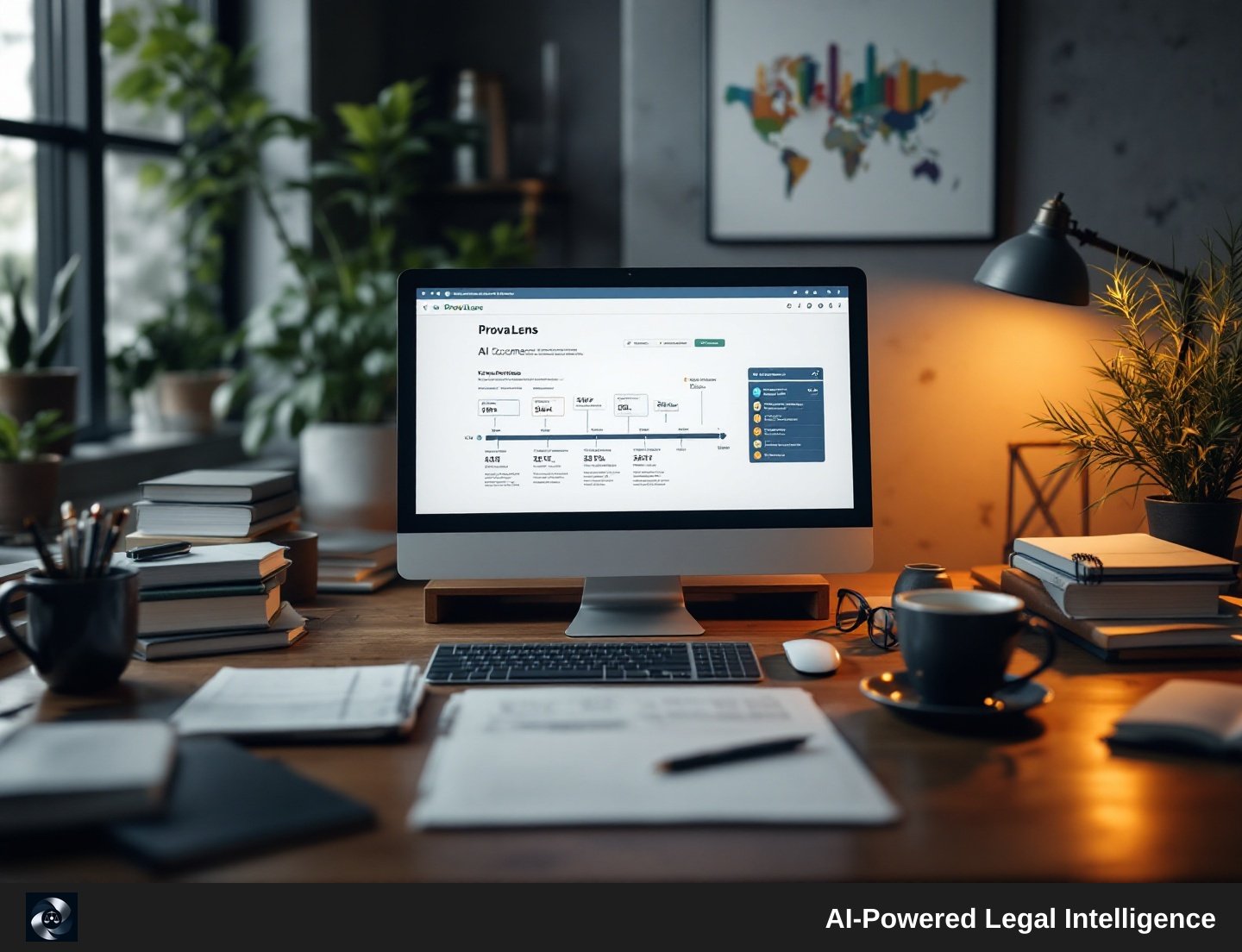
Multi-plaintiff litigation involves cases where multiple plaintiffs bring claims against a single defendant or a group of defendants. This type of litigation is common in personal injury and employment law, where the claims often overlap in terms of facts, circumstances, and legal issues. The challenges of managing large volumes of records and documents in these cases can be daunting, but advancements in AI technology provide solutions that can significantly enhance the efficiency and accuracy of case management.
The Challenges of Organizing Records in Multi-Plaintiff Litigation
Managing records in multi-plaintiff cases presents unique challenges:
1. Volume of Documents
The sheer number of documents can be overwhelming. Each plaintiff may have numerous records, including medical documents, employment records, and correspondence.
2. Complexity of Data
Different cases may involve varying legal issues, timelines, and evidence. Organizing this complexity into a coherent structure is crucial for case strategy.
3. Risk of Human Error
Manual organization and analysis of documents increase the risk of errors, which can be detrimental in a legal context. Misplaced or misclassified documents can compromise case integrity.
4. Time Constraints
The fast-paced nature of litigation demands quick access to relevant information. Delays in document retrieval can hinder case progress.
How AI Can Transform Document Management
AI-powered platforms like ProvaLens offer innovative features that can help small law firms manage the complexities of multi-plaintiff litigation effectively. Here’s how:
1. Automated Document Organization
AI technology can automatically classify and organize documents by type. This means that medical records, legal filings, and other relevant documents can be sorted with minimal human intervention. For example, instead of spending hours manually sorting through thousands of documents, an attorney can leverage AI to instantly categorize them, allowing more time for strategic case planning.
2. Timeline Generation
Another powerful feature of AI platforms is the capability to generate smart timelines from case documents. A timeline can provide a visual representation of the sequence of events, making it easier for attorneys to understand the case's progression. For instance, in a multi-plaintiff case involving a workplace accident, an AI-generated timeline can illustrate key dates such as the accident date, medical treatment, and filing deadlines, ensuring all parties are aligned and informed.
3. Possible-Conflict Flagging
AI can also flag possible conflicts across documents, which is invaluable in multi-plaintiff cases where inconsistencies can arise. For instance, if multiple plaintiffs provide differing accounts of an event, AI can highlight these discrepancies, allowing attorneys to address them proactively. This feature minimizes the risk of surprises during depositions or trial.
4. AI-Powered Document Search
An AI document search functionality allows attorneys to find specific information quickly. By entering plain English queries, attorneys can retrieve citations and relevant documents without wading through mountains of paperwork. This capability is particularly useful when preparing for hearings or trials where quick access to information can make a significant difference.
Practical Tips for Implementing AI in Multi-Plaintiff Cases
To maximize the benefits of AI in managing multi-plaintiff litigation, consider the following strategies:
1. Choose the Right AI Platform
Selecting the right AI platform is crucial. Look for features that align with your firm's specific needs. ProvaLens, for example, integrates seamlessly with Clio, MyCase, OneDrive, Google Drive, and Dropbox, ensuring a smooth workflow.
2. Train Your Team
Invest time in training your team on how to utilize AI tools effectively. Familiarity with the platform's capabilities can enhance its effectiveness and increase overall efficiency. Regular training sessions can help attorneys and paralegals stay updated on new features and best practices.
3. Maintain Compliance and Security
Ensure that the AI platform you choose complies with relevant legal standards, such as HIPAA, to protect sensitive information. ProvaLens prioritizes security, offering enterprise-grade protection for confidential documents.
4. Evaluate ROI
Utilize ProvaLens's detailed ROI calculator to assess the financial impact of your investment. By analyzing time saved and increased productivity, you can better understand how AI contributes to your firm's bottom line.
Case Scenario: A Hypothetical Multi-Plaintiff Case
Consider a hypothetical firm representing multiple plaintiffs in a case against a corporation accused of negligence leading to a widespread safety issue. Each plaintiff has different experiences and injuries, resulting in various documentation:
- Document Types: Medical records, employment history, correspondence with the defendant, and incident reports.
- Volume: The firm receives thousands of pages of documents from various sources, including medical facilities and the defendant.
Initial Organization
Upon receiving these documents, the firm utilizes an AI platform to:
- Automatically classify documents into categories (medical, legal, correspondence).
- Generate a timeline that highlights critical dates for each plaintiff, ensuring that the team has a clear view of the case's overall progression.
Ongoing Management
As new evidence comes in, the firm uploads the documents to the AI platform, which then categorizes them accordingly. This allows the firm to build a stronger case while staying ahead of litigation timelines.
Conclusion
The complexities inherent in multi-plaintiff litigation demand innovative solutions to streamline case management. AI-powered platforms, such as ProvaLens, offer essential tools that facilitate organization and minimize the risk of error. By embracing these technologies, small law firms can improve their efficiency and enhance their practice. To experience the benefits of AI in your practice, Start your free ProvaLens trial today.